Scaling Defense & HLS Training With Technology That Understands Humans
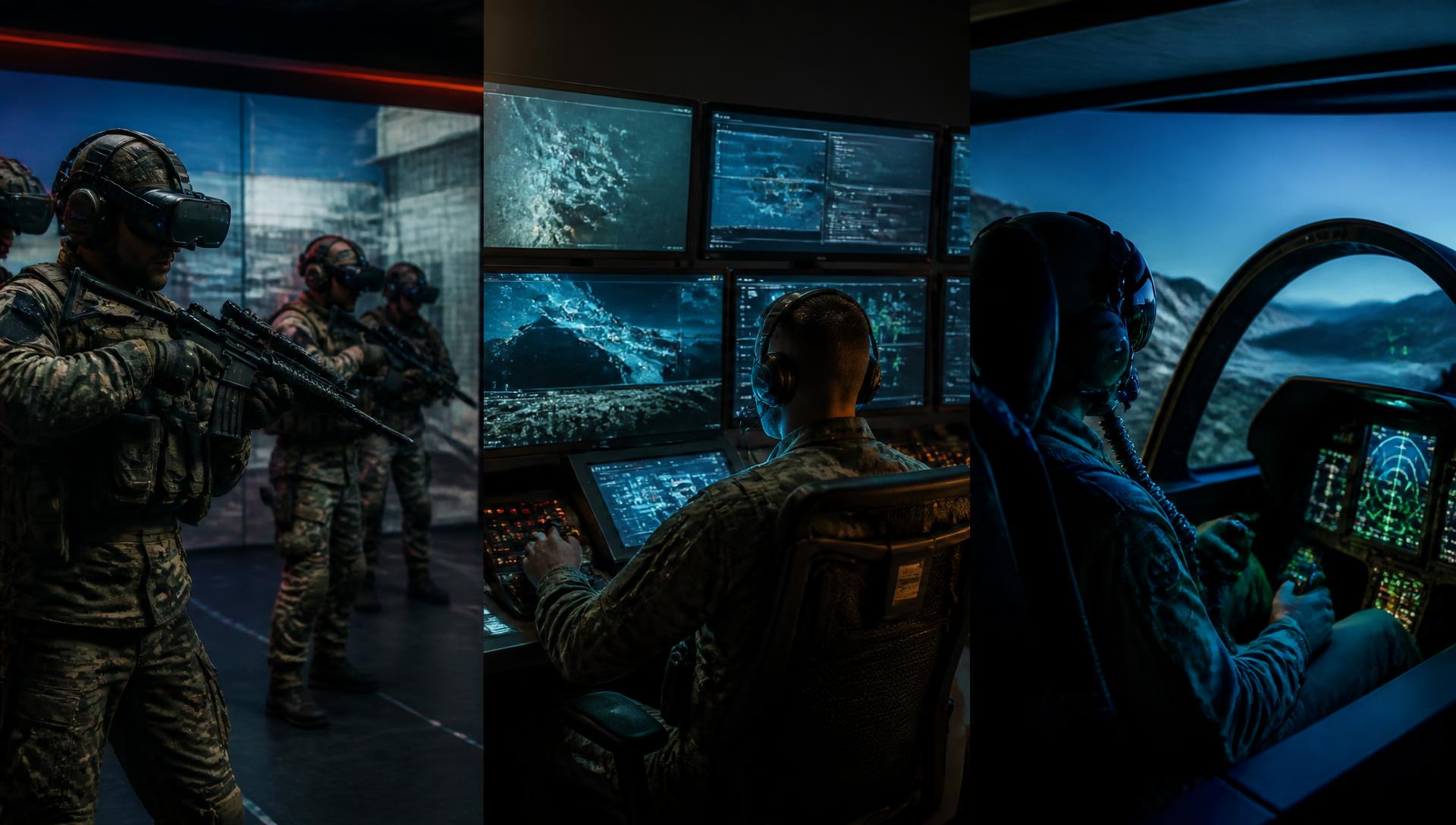
Our Human-Aware technology works inside existing simulators and XR environments. It measures trainee performance, identifies the root causes of errors, and adapts training to each participant in real time.
Understanding the Human Behind the Performance
Human-Aware means understanding the human factors behind performance, not just measuring the outcome.
By combining eye-tracking, behavioral, contextual, operational, and telemetry data, our technology understands how a trainee perceives, decides, and acts during training, identifying the root causes of performance gaps.
These insights close the training loop, enabling real-time feedback, personalized adaptive training and increasingly autonomous expert-level instruction at scale.
Captures trainee performance across various sensory and contextual data.
Diagnoses why errors happen, where performance breaks down, and what each trainee needs next.
Delivers personalized adaptive training and real-time guidance tailored to each scenario and trainee.
Scaling Defense & HLS Training Through Human-Aware Autonomous AI
Eyeviation enables armed forces to scale expert-level training beyond the limits of human capability, so militaries can prepare more personnel, faster, for increasingly advanced missions and platforms.
Human-Aware AI Training Across Mission-Critical Domains

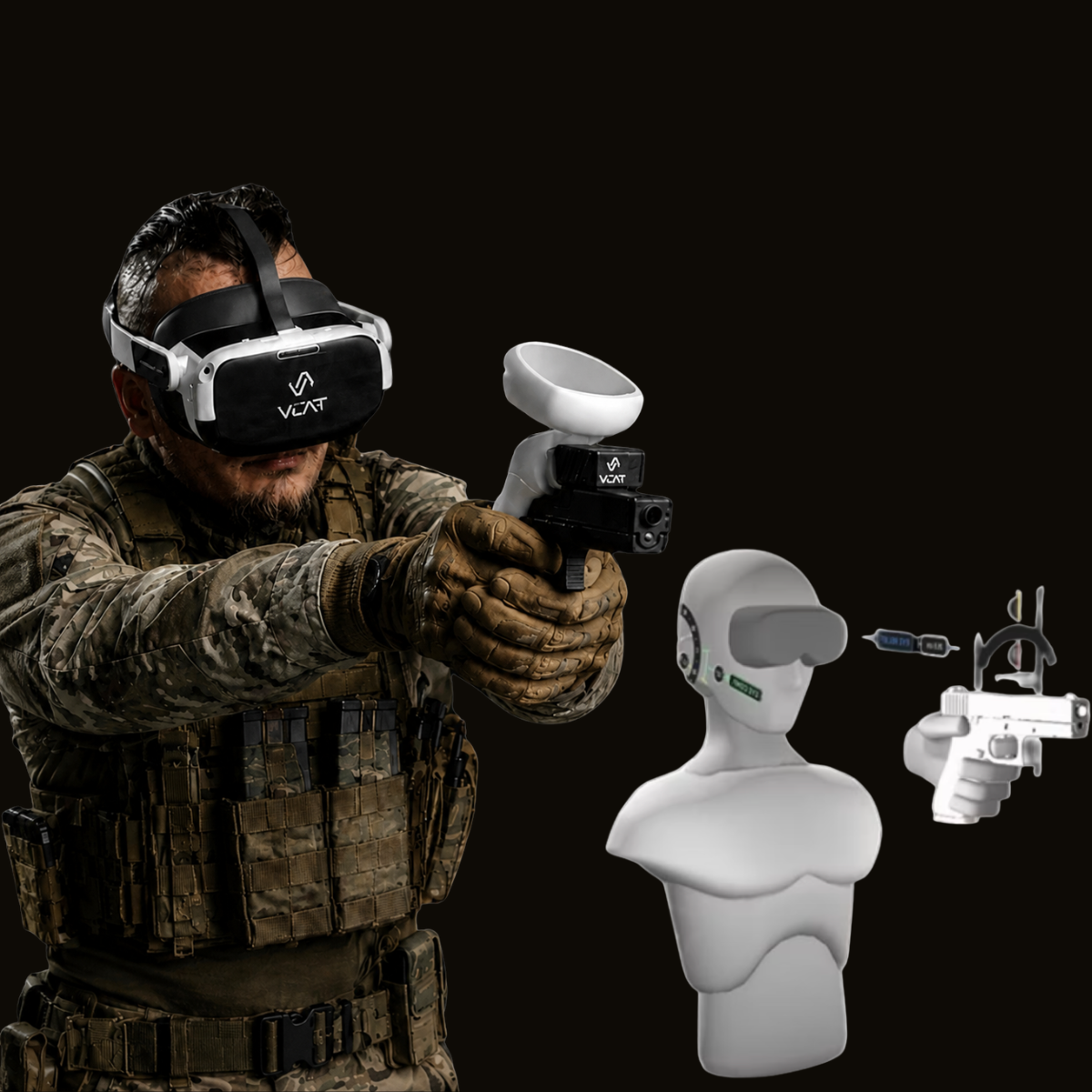
VCAT reveals why each shooter’s performance breaks down and adapts training in real time, enabling one instructor to build proficiency across a full group while using less ammunition.

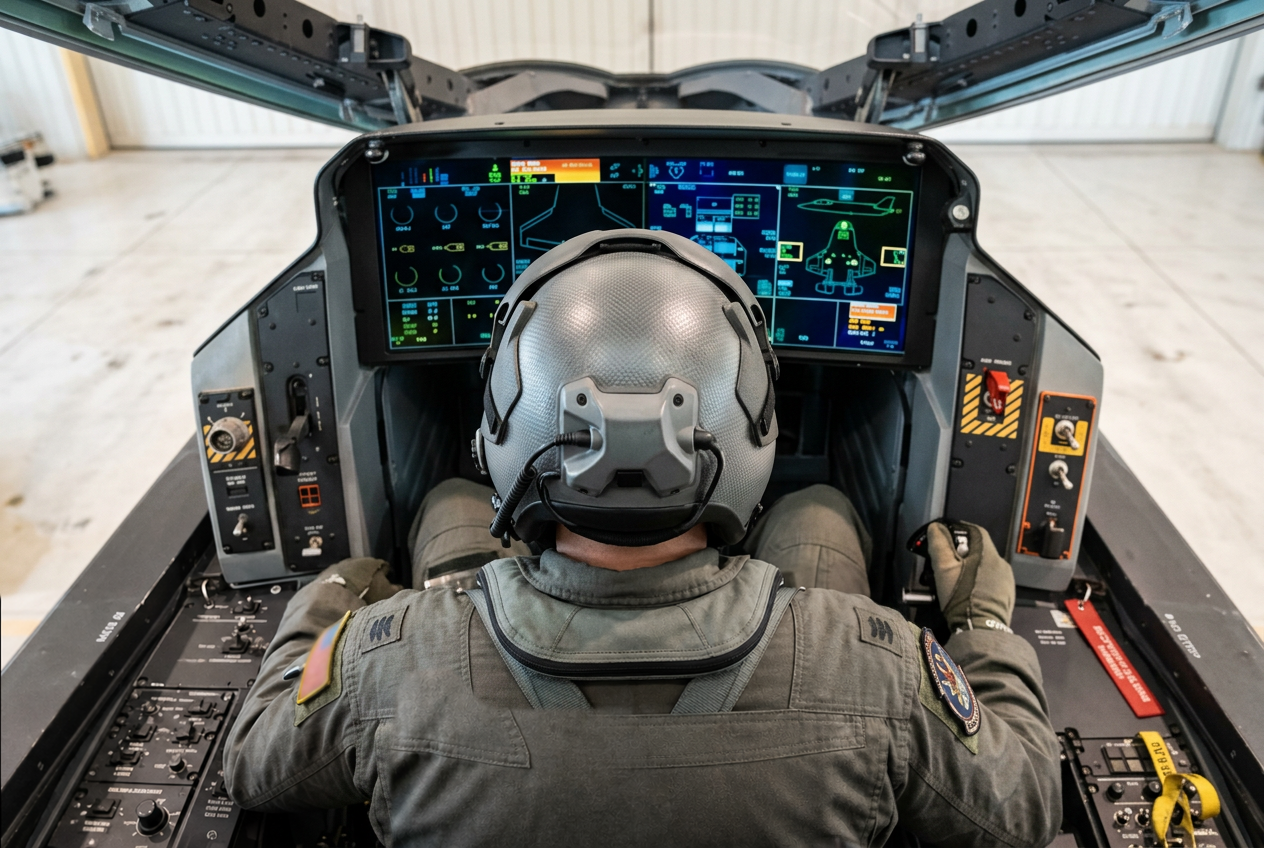
IPASS reveals how candidates think, react, and perform under mission conditions, enabling air forces to identify those with the highest potential and match them to the right roles.
Trusted by Defense Organizations, Training Centers, and Strategic Partners
Eyeviation works globally with air forces, defense organizations, special forces, homeland security agencies, and leading industry partners to scale expert-level training across mission-critical domains.